
Compare Local Contractors for Poly Lifting Projects
Compare local contractors for Poly Lifting to define scope, verify experience, and set clear expectations, ensuring a well-managed project tailored to your needs.
Poly lifting contractors typically handle projects involving the installation, removal, or adjustment of large or heavy objects such as machinery, structural components, or equipment that require specialized lifting techniques. Their work often includes planning the lift, assessing the weight and stability of the items involved, and ensuring that the operation is conducted safely and efficiently. Properly executed poly lifting can help property owners avoid damage to existing structures and ensure that heavy items are moved or installed with precision, making it a critical part of many renovation, construction, or maintenance projects.
Defining the scope of a poly lifting project is essential to achieving the desired outcome and avoiding misunderstandings. Clear communication about what needs to be moved, the location of the work, and any specific handling requirements helps establish realistic expectations. Detailing the scope in writing can also serve as a reference point for both property owners and contractors, ensuring that everyone is aligned on the work to be performed. Taking the time to specify the project’s parameters reduces the risk of scope creep and helps ensure that the work proceeds smoothly and meets the property owner’s needs.
Property owners interested in hiring local contractors for poly lifting work should consider how to compare their options effectively. Verifying experience with similar projects, reviewing the scope of work they typically handle, and understanding their approach to planning and safety are important steps. It’s also helpful to request detailed descriptions of how they will approach the project and to confirm that their services align with the specific requirements of the lift. By gathering information on each contractor’s expertise and approach, property owners can make informed decisions and select service providers capable of handling the unique demands of their poly lifting needs.
Compare local contractors by outlining your project priorities, verifying experience, and establishing clear written expectations.
- Compare Contractors - review multiple local contractors to find the best match for poly lifting needs.
- Define Project Scope - clearly outline the work requirements to ensure all parties understand the job.
- Verify Experience - check the background and expertise of service providers to ensure competence.
- Document Expectations - set detailed agreements in writing to confirm the scope and responsibilities.
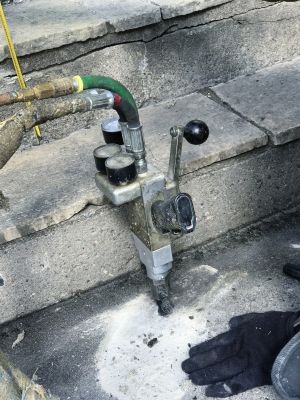
Before comparing contractors for Poly Lifting, clearly define your project scope and verify their experience and written expectations.
- Verify the contractor’s experience with poly lifting projects to ensure familiarity with the necessary techniques and equipment. - Assess whether the service provider clearly defines the scope of work and specific lifting requirements in writing.
- Check that the contractor provides detailed descriptions of the methods and materials to be used for the poly lifting process. - Confirm that the contractor has appropriate insurance coverage to protect against potential damages or accidents during the project.
- Compare multiple local contractors to evaluate their expertise, reputation, and the quality of previous poly lifting jobs completed. - Ensure that the service provider offers a comprehensive plan outlining the steps and safety measures involved in the lifting process.
- Review references or past project examples to gauge the contractor’s experience and success with similar poly lifting jobs. - Clarify the contractor’s approach to handling unexpected issues or complications that may arise during the project.
Compare local contractors' experience, define project scope clearly, and set expectations in writing.


Compare local contractors’ experience, define scope clearly, and document expectations consistently to ensure reliable poly lifting projects.
- Scope Definition - Clearly outline the specific poly lifting tasks and areas to be addressed in the project.
- Experience Verification - Confirm that local contractors have relevant experience with poly lifting projects of similar scope.
- Material Specifications - Specify the types and quality of materials to be used for the poly lifting process.
- Work Expectations - Document the expected outcomes, including any surface preparations or finishing details.
- Written Agreement - Ensure all project details, responsibilities, and scope are documented in a formal written agreement.
When evaluating contractors for Poly Lifting projects, it’s essential to consider their experience with similar types of work. Homeowners should inquire about the scope of past projects to ensure the service providers have a proven track record in handling lifting operations comparable to the current needs. Understanding the types of structures and site conditions a contractor has worked with can help gauge their familiarity with the specific challenges involved, leading to more informed decision-making.
A clear, written scope of work is a critical component when comparing local contractors. This document should outline all the tasks involved, the materials to be used, and the expected outcomes. Having a detailed scope helps prevent misunderstandings and provides a basis for evaluating whether a contractor’s proposal aligns with the project’s requirements. It also serves as a reference point to ensure all parties agree on what the project entails before work begins.
Verification basics involve reviewing a contractor’s background and credentials related to Poly Lifting. Homeowners should seek information about the contractor’s experience with similar projects, including references or case studies if available. Confirming that the service provider has a history of completing projects successfully and safely is vital for establishing reliability. Additionally, understanding their approach to site preparation and post-lift procedures can provide further confidence in their professionalism.
When comparing options, it’s important to assess how each contractor plans to approach the project and how well their proposals align with the defined scope. Homeowners should ask for detailed descriptions of the methods and techniques to be used, ensuring they understand the process involved. Evaluating the clarity and thoroughness of each proposal helps identify service providers who communicate effectively and demonstrate a comprehensive understanding of Poly Lifting requirements, supporting an informed choice aligned with the project’s specific needs.
Ask for written scope and details to ensure clear expectations and consistent project understanding with contractors.
- Scope Clarification - What specific tasks and responsibilities will the contractor include in the poly lifting project?
- Experience Verification - How many similar projects have the contractors completed, and can they provide references or examples?
- Methodology Comparison - What lifting techniques and equipment do different contractors plan to use, and how do they differ?
- Scope Documentation - Will the contractor provide a detailed written scope of work outlining all project requirements?
- Contractor Qualifications - What criteria do local contractors use to determine their suitability for poly lifting projects?
What should I consider when choosing a contractor for Poly Lifting? It's important to compare local contractors based on their experience, reputation, and scope of services. Ensuring they understand your specific lifting needs can help in selecting the right provider.
How can I verify a contractor's experience with Poly Lifting projects? Ask for details about their previous work and references related to Poly Lifting. Confirming their familiarity with similar projects helps in assessing their capability.
What questions should I ask a contractor before hiring for Poly Lifting? Inquire about their approach to lifting scope, safety measures, and how they plan to handle your specific requirements. Clear communication helps set proper expectations.
Why is it important to define the scope of work in writing? Having a detailed written scope ensures both parties agree on the project parameters, reducing misunderstandings and providing a clear basis for the project.
How can I compare different service providers for Poly Lifting? Review their experience, scope of services, and references. Comparing these aspects helps in identifying the contractor that best fits the project's needs.
What role does communication play when working with a contractor for Poly Lifting? Effective communication ensures that project expectations are clear, and any questions or adjustments can be addressed promptly, leading to smoother project execution.
This overview highlights the importance of understanding the scope of a poly lifting project, verifying the experience of potential contractors, and setting clear expectations in writing. By taking these steps, homeowners and property managers can make informed comparisons among local service providers, ensuring they find the right fit for their specific needs. Utilizing the quote form allows for easy access to information that can help distinguish between different contractors and their offerings.
To make the best choice, it’s recommended to use the quote form to gather details from multiple local contractors. This process helps clarify each provider’s approach and experience, making it easier to compare options side by side. Connecting with qualified service providers through this method can support a well-informed decision based on your project’s unique requirements.